

Stop 1 of 5

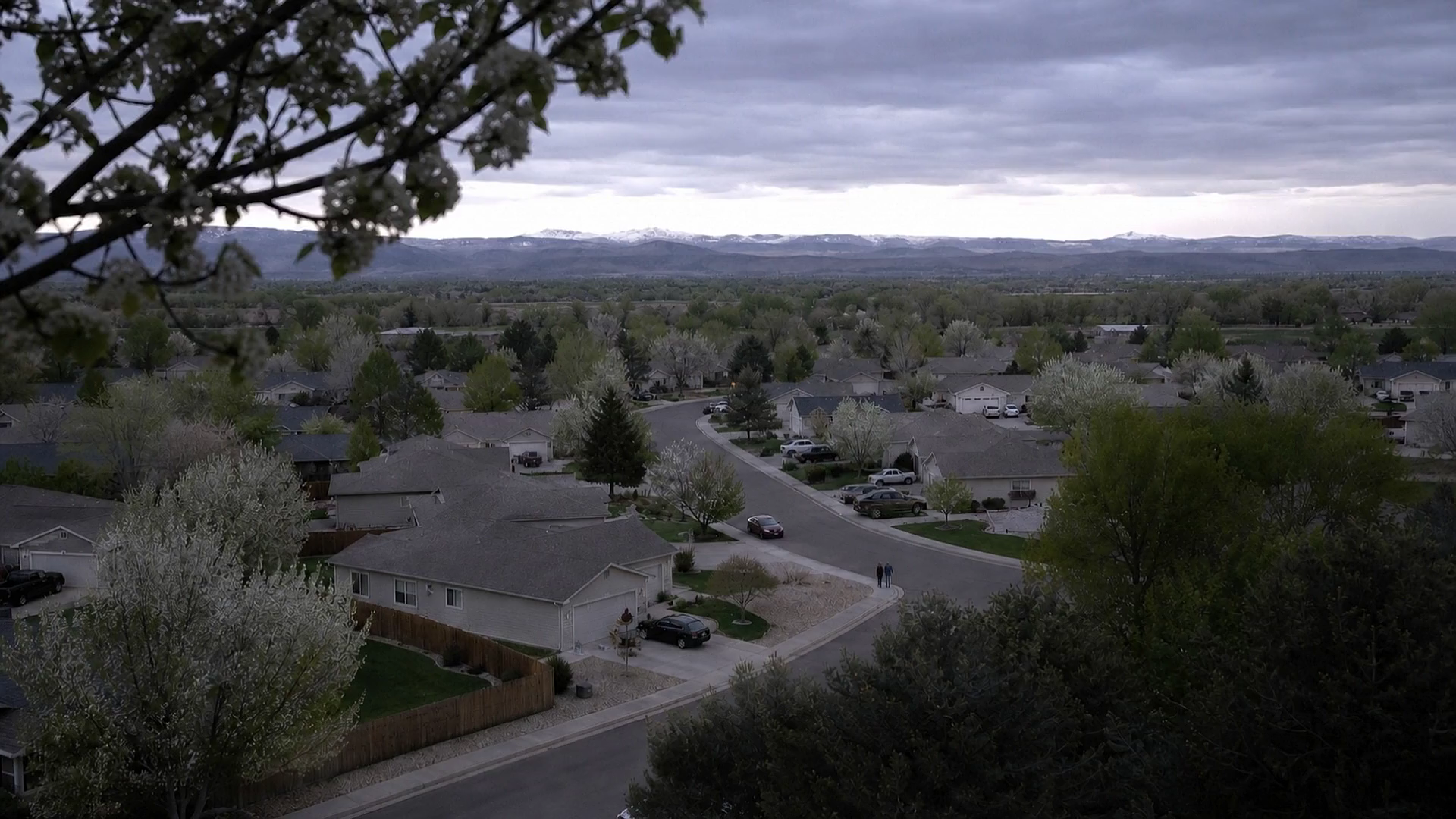
Illustration: an aerial view of a residential development at dusk, streets and rooftops laid out below, pale spring canopy, a snow-topped range along the horizon under an overcast sky.
Made with AI from real photos of the places we manage.

Colorado association management you can check before you sign.

We take the day-to-day running of your association off the board. All of it. The mail and the phone, the money, the covenant letters, the state filings, the meetings.

Somebody is doing that work for your association right now. What that covers, and what gets billed on top of it, is worth knowing.

So here is how this page works. Every promise we make on the way down it comes with the place you go and check it, which means you never have to take our word for any of it. Have a look at those first, and then decide whether we are worth half an hour.

Thirty minutes on the calendar. No form in front of it, and nothing to fill in first.

"Part of my mission with this company is for people to not hate their HOA."
Schedule a Colorado HOA Operational Diagnostic Call

ScaleAs of July 2026.Eight associations, close to 2,000 homes. We take on another only when the people and systems are in place.

Check it: the Colorado DRE roster lists every association that names us. Count them.
It turns into a job

Nobody runs for a board because they want to chase a landscaper for an invoice or explain the fence rule to the same owner for the third time. The work arrives anyway, a piece at a time, and after a couple of years the board is running an office.

Here is what that office looks like when we run it.

What leaves your hands

Owner questions, requests and complaints, including the ones that keep coming back. Dues and collections, invoices, vendor payments, the monthly financials, and the draft budget you take into the annual meeting. Covenant letters and the log behind them, the follow-ups and the hearings. Colorado's filings and registrations, on time, every year. Meeting notices, packets, minutes, and the running of the meeting itself. Insurance renewals, reserve study scheduling, vendor coordination, and the pile of small administrative jobs nobody ever put on a list.

What stays with you

The decisions. Budgets you approve, rules you set, fines you uphold, contracts you sign, and where the community goes next.

We do not vote and we do not decide. We do the work that your decisions create.

What sits outside it

One fee covers all of the above. We do not nickel and dime. There is no technology charge, nothing for hosting, and nothing for keeping your website current.

Some things genuinely do sit outside the agreement, and we would rather name them here than have you find them on an invoice. Litigation support. A major dispute. An emergency event. A run of mailings far past the ordinary. When one of those arrives you get it in writing before anything happens: what the issue is, what we recommend, and what we expect it to take in time and money. Nothing starts until your board says yes. The one exception is the thing that cannot wait, like a burst pipe at eleven at night or a filing deadline that expires tomorrow.

[Link: the full scope, line by line]

Two ways in

Boards land here from two different places, and the next useful step is different for each.

If someone is already doing this work for you.

The money for it is already a line in your budget. So this is a comparison, and you have the numbers in front of you to make it with. When you have a spare evening, it is worth getting your current management agreement out of the drawer and reading it against ours. We will walk you through what to look for, clause by clause, including the ones that are easy to read straight past.

[Link: read your agreement against ours]

If you have been doing it yourselves and now want to hand the administration over.

Here is what leaves your hands when a manager takes it, and here is what management software leaves sitting on your desk after you have paid for it.

[Link: what software still leaves with you]

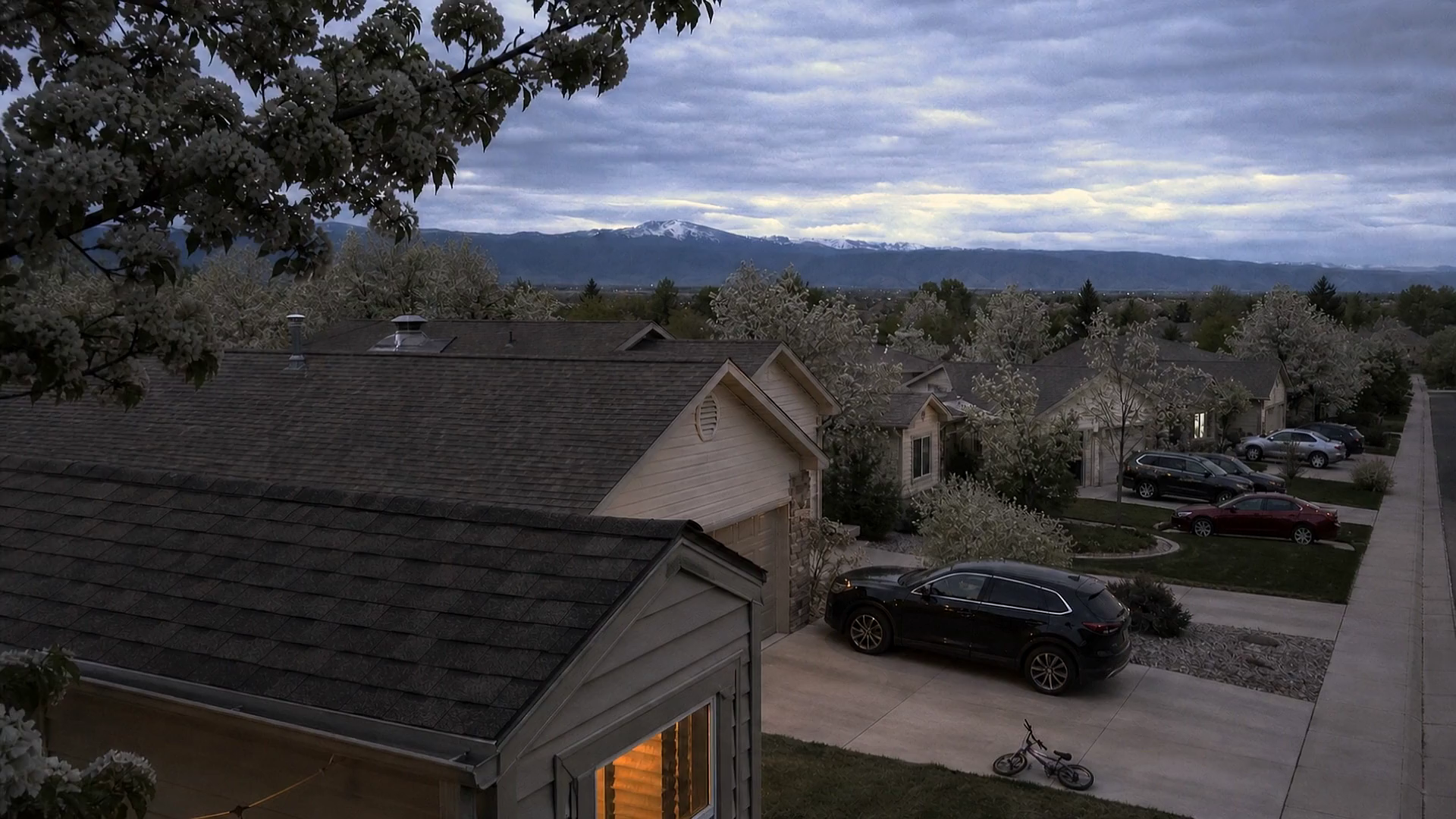
Illustration: a low descent toward the roof of a single-story home, gutter line and shingles filling the lower frame, spring trees and neighboring rooftops beyond.
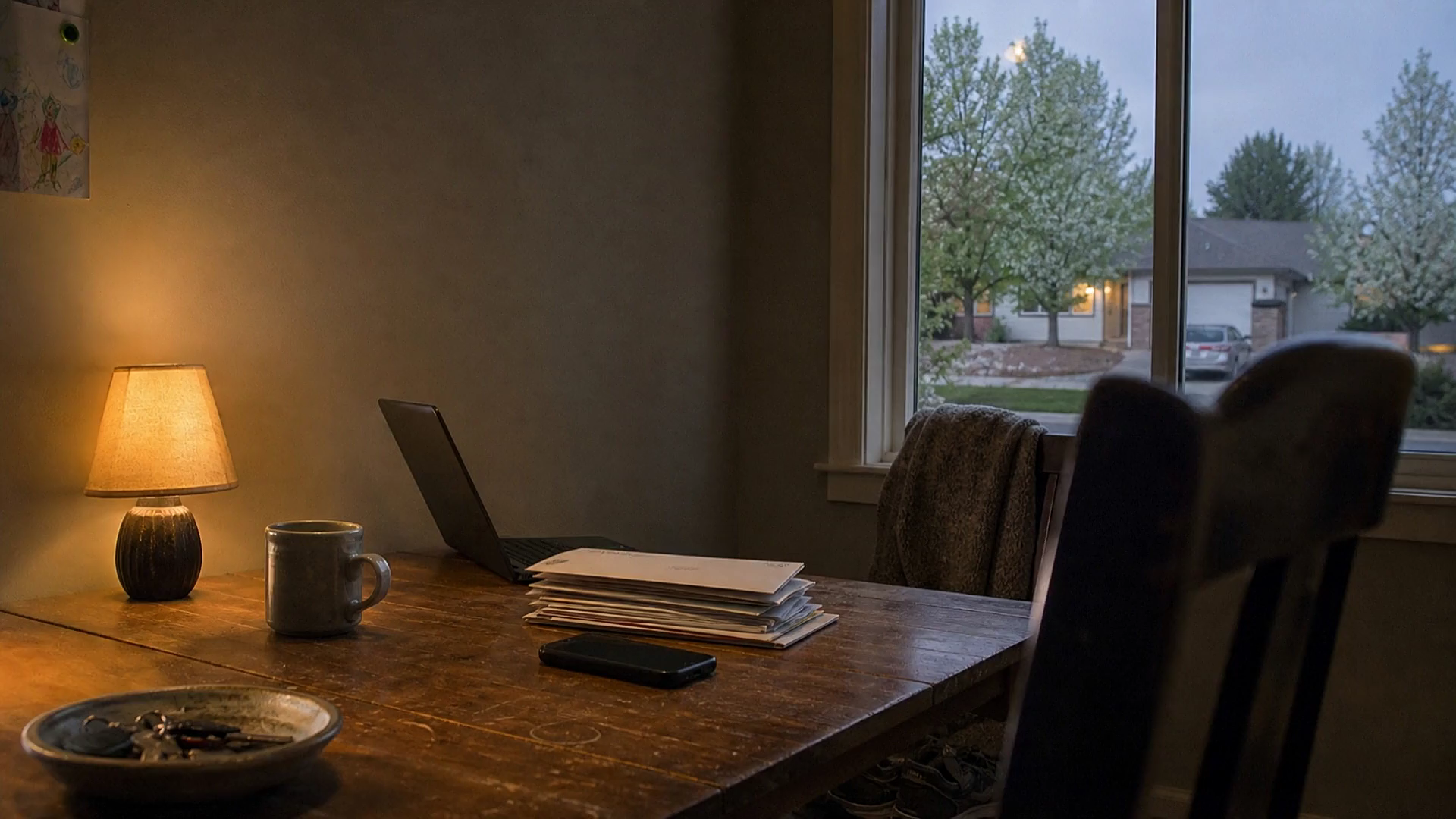
Illustration: a kitchen table at dusk lit by a warm lamp, a stack of unopened mail, a phone lying face down, an open laptop turned away from the viewer, pale evening light at the window.

Owners write in. Weeks go by. Nobody writes back.

Colorado's own regulator ranks this the number one thing homeowners complain about, and it has ranked first in every year the state has published.

Answering people is rarely anybody's actual job. It lands on whoever picks up, which usually means a board member on a Tuesday night with a day job and a family, and then it stops landing on anyone at all. The messages do not go away. They sit there, and the next one arrives on top.

Here, answering is somebody's job and it has a clock on it. You get an acknowledgement inside 24 to 48 hours. Acknowledging is not the same as finishing, so what comes back tells you what we have and what happens next. Anything genuinely urgent moves faster. In the weeks around an annual meeting the volume climbs and that window can stretch to three days, and we would rather you read that here than meet it for the first time in your first busy season.

When we miss it, the matter climbs. It goes to your association's manager, and then to the person who owns this firm.

Some of the systems a board arrives with were built for rental property, where one house throws up an inquiry or two in a month. An association of a few hundred homes generates dozens of emails in a day. We are set up for the second kind of week.

Part of how we keep up: a routine inquiry can get an answer back before a person has read it. It tells you the message arrived and what we are checking, and sometimes the draft answer in it turns out to be the whole of it. Those are marked as AI generated so you know what you are reading, and your governing documents still have the final say.

ResponseWe acknowledge inside 24 to 48 hours. Acknowledging is not fixing. Miss it and it reaches the principal.

Check it: nine Colorado firms promise a time. Ask each of them what happens when they miss it.

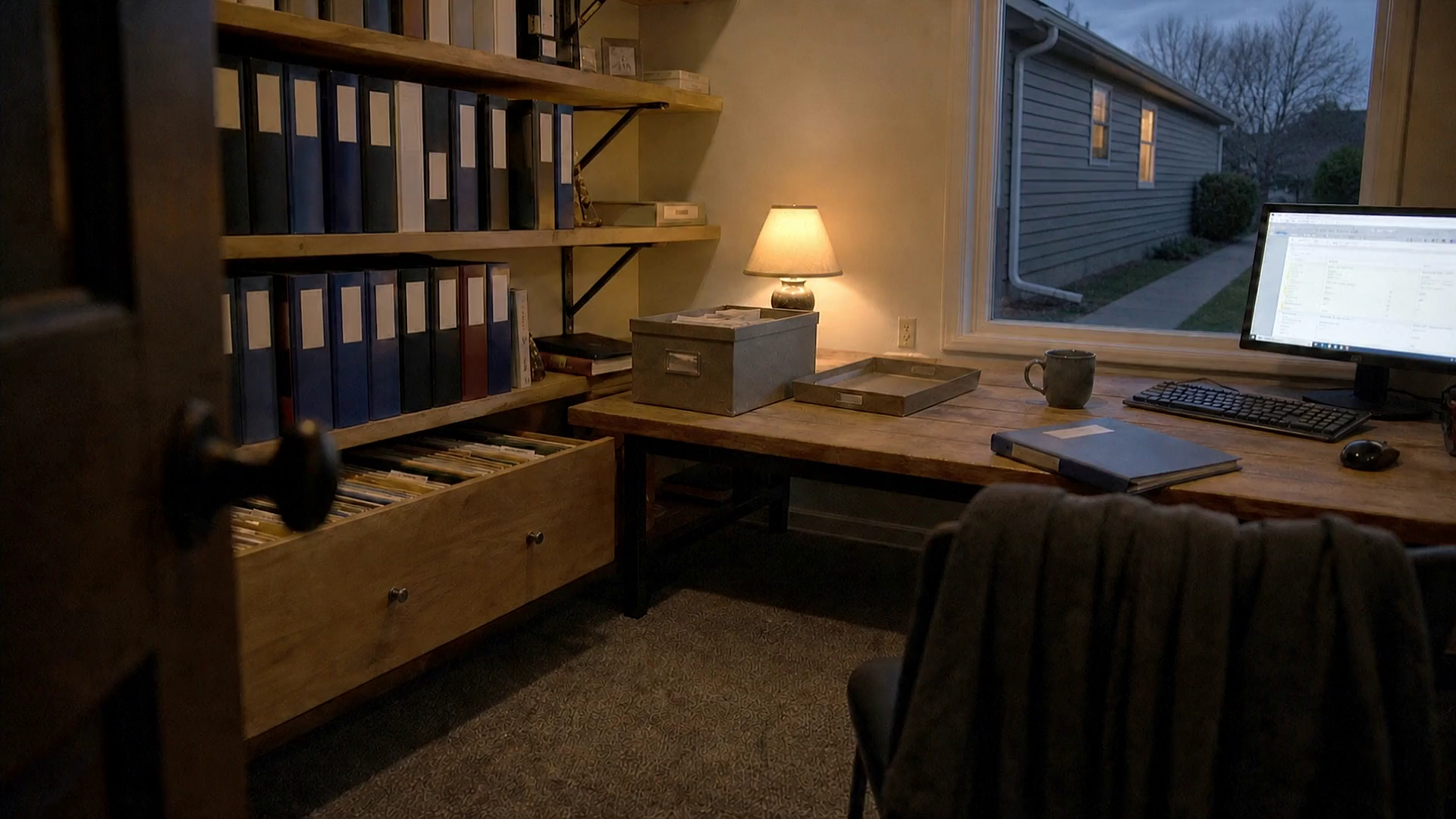
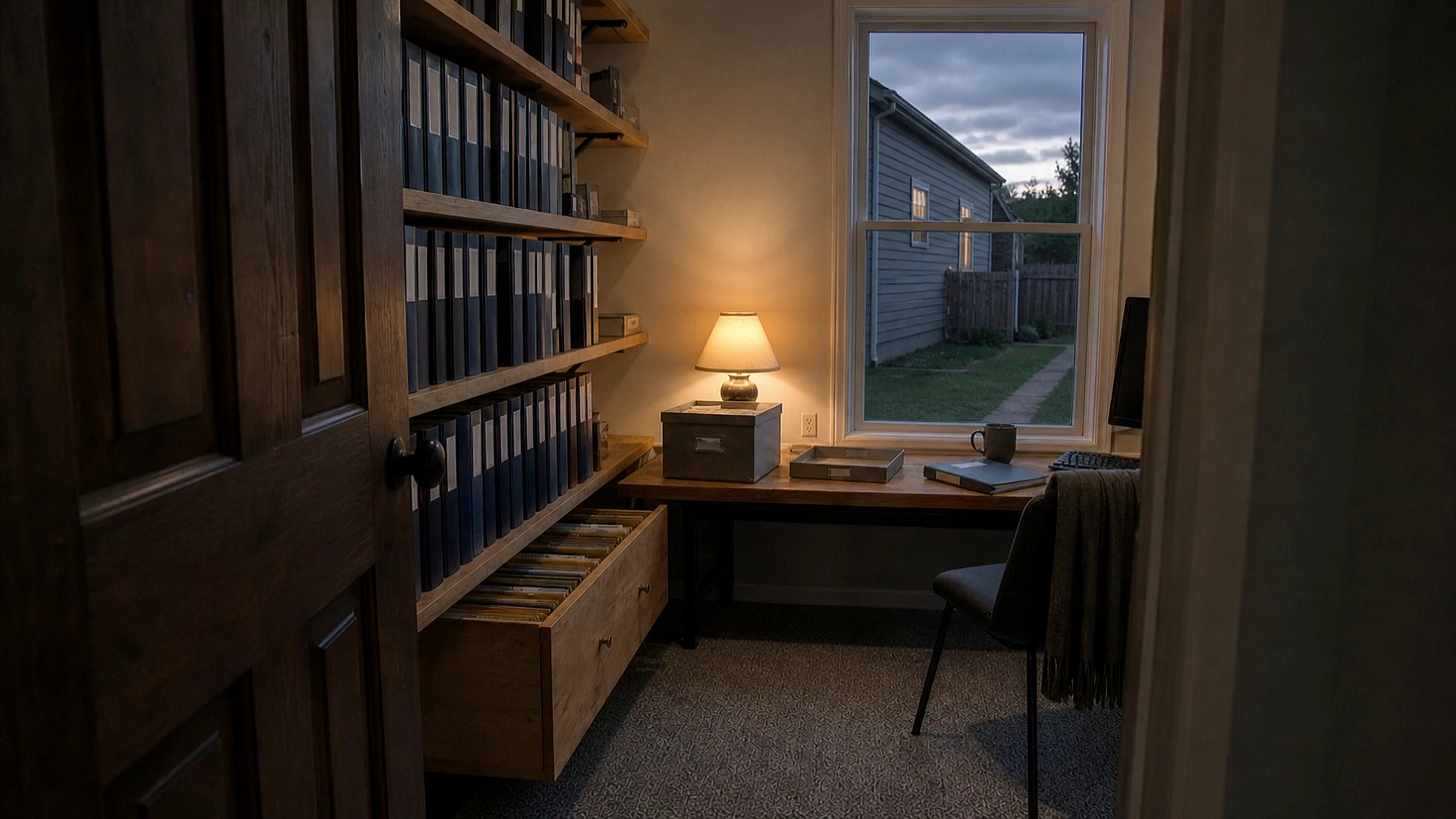
Illustration: the view through an open door into a small records room at dusk, shelves of ring binders along one wall, a filing drawer standing open beneath them, a lamp lit beside a document box on a desk, a window looking out on a neighboring house and a fenced lawn.
Illustration: a small back office at dusk, shelves of ring binders, a document box with a blank label sitting on a desk, a screen glowing beside it, pale spring evening at the window.

Who actually owns your association's records?

The papers, the logins, the vendor contacts, the minutes, the record of every decision the board has ever made. Over enough years it spreads out. Some of it sits with a bookkeeper. Some sits in a system a manager set up four managers ago. Some sits in an inbox nobody can get into any more because the person who opened it moved away.

Nothing is lost, exactly. It is just that no single person can hand you all of it, so every ordinary request turns into a small excavation, and the board ends up asking permission for things it already owns.

We start from the other end. Your association owns its records and its data, and that sentence sits in our agreement with nothing hedging it. You can read it for yourself before you sign anything, and we would rather you did.

While we are working for you, your treasurer can have their own login to the books, so nobody on your board has to ask us for a figure that already belongs to them.

When it ends, what you get back is your records, organized, handed to whoever comes next. If they turn out to need rebuilding instead, that is real work and you hear what it will take before any of it starts. We charge nothing for leaving and nothing for your records. The management fee itself runs to the end of the term you agreed to, and that term is written in the agreement where you can find it.

There is a new Colorado law expected to take effect in August 2026, and it is worth knowing about whoever ends up managing your association. It gives a departing management company forty-five days from the end of a contract to hand an association's records to whoever comes next, at no charge to the association. Unless the management agreement says otherwise, each late business day is a separate violation. That is a right the law hands your board. It binds whoever is managing your association today, and it binds us the same way on the day you decide to leave.

RecordsYour association owns its records and its data. Our agreement says so without a qualifier. We charge no fee for leaving and none for your records.

Check it: read the ownership clause before you sign. Then read theirs.

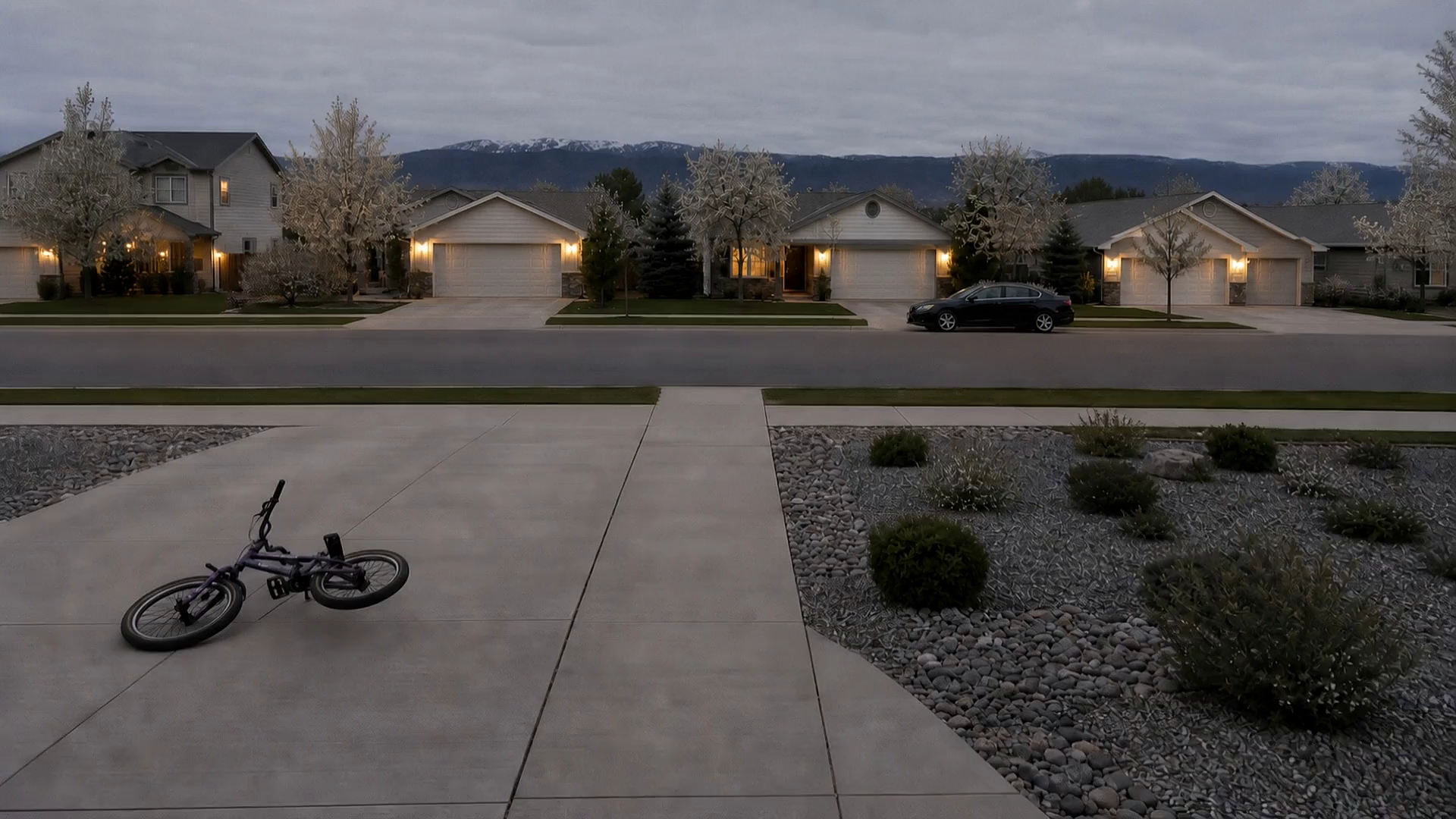
Illustration: a driveway at dusk looking across a residential street, a child's bicycle lying on the concrete, a bed of gravel and low shrubs to one side, houses with lit garages and blossoming trees opposite, a snow-topped range along the horizon.
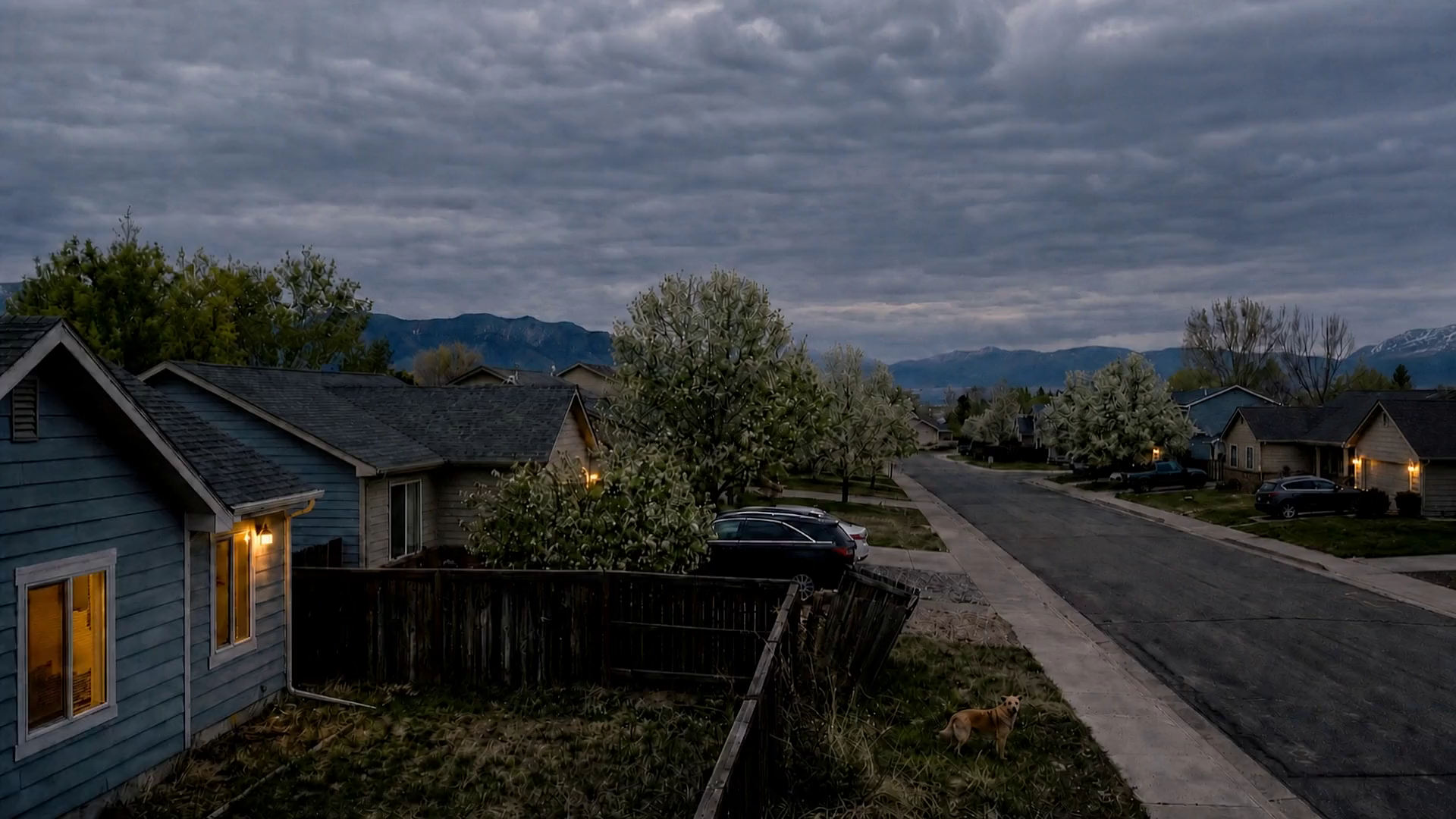
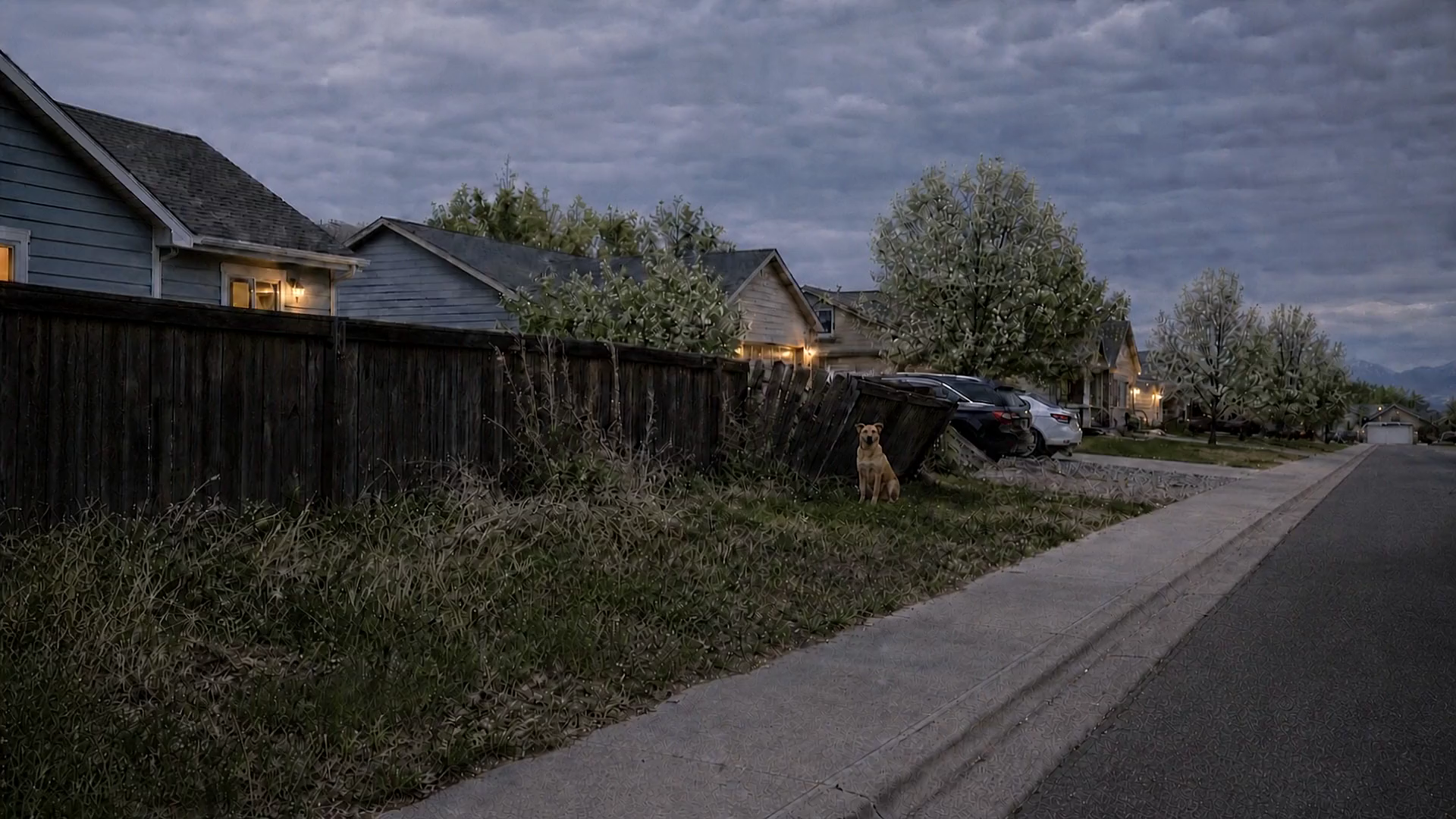
Illustration: a residential street at dusk, a leaning section of fence, a parking area with parked cars, an unkempt front yard, a dog standing on the grass.

The same four violations, round and round.

Parking. Pets. The fence. The paint. A letter goes out, the owner sorts it, and a few weeks later it is back, sometimes at the same house. It does not finish. It comes around again.

The letter is the easy part. The trouble starts on the second and third time around, when nobody can remember what was sent, or when it went, or whether anyone ever checked back. Then one neighbor gets three notices and the one across the street gets none, and now the board has a fairness problem sitting on top of a fence problem.

We run that loop on a clock and write down every step of it, so you can see what went where and when. The house on the corner and the house across from it end up on the same record, which is what a board gets asked about later.

Nobody can make neighbors stop annoying each other. We would be suspicious of a management company that told you otherwise.

EnforcementEvery notice gets dated and logged. Anything that comes back gets reopened, so nothing drops off the list.

Check it: ask to see the enforcement log. We show you a real one, redacted.

What we can show you

As of July 2026 we manage eight associations across Colorado, close to 2,000 homes between them. [Named list: confirm all eight before publishing. §3.1.] Real names, and boards you can ask to speak to.

This is the monthly management report a board gets from us, with the association's name taken out so it reads as a sample. It is the real thing, exported the way it comes out every month. Nothing in it is confidential either way, because associations post their financials and their agendas on their own websites. It is there to be opened before you talk to us, or to anybody else.

[Link: open the sample management report]

And this is what covenant enforcement looks like when somebody is actually running it: a real inspection and enforcement log, addresses removed. Every notice, when it went, and what happened next.

[Link: open the sample enforcement log]

Neither of these is a case study we wrote about ourselves. They are just the paperwork, as it comes.

Who runs this

OmniHOA is principal led, which in practice means the person who owns the firm has direct oversight of every association it manages. Each one also has a manager whose job is to know it: its documents, its vendors, its awkward corner, the owner who writes in most weeks. You do not get lost in the noise here.

Behind that sit operations, field inspection and administrative support.

We do not take on a new association unless the people and the systems are in place to hold the standard for the ones we already have. Growth on its own has never been the point.

We work across Colorado and we do not keep an office in every town. We hire the inspection people locally instead, so the person walking your property is somebody who lives there too. The principal comes out in person for meetings, and for the vendor work that needs somebody standing in front of it.

OmniHOA is the community-association brand of OmniVenture Enterprise Consulting, LLC, [operating since YYYY]. [Certificate of insurance, current. License details.]

The question a board should ask a firm this size

A board handing community money to an outside firm is right to ask what happens when the person it deals with is not there. Here is the answer in the open, before anyone has to raise it.

How this firm runs is written down instead of carried around in somebody's head, so your manager is not the only person who can open your file. Cover goes to your manager first and then to the principal. The routine administration sits on systems that keep going while people are away. And at the end of that chain is your own board, which can step in, because all of it already belongs to the association.

Check it: ask us how your association runs for thirty days without the person you deal with. Ask everyone else on your list the same question.

Illustration: rising from street level at dusk, rooftops and treetops coming into view, a snow-topped range appearing along the horizon.
Illustration: a quiet ground-level view of a residential neighborhood at dusk, deeply shadowed, no single subject in focus, the last light low behind the rooftops.

Everything above, in one place, with the check beside each one.

What we do not publish

We do not put a rate on this page, in any form, and it is fair to want to know why. What an association costs comes down to how much administration it actually generates, and a figure that is right for one community is wrong for the one next to it. We would rather look at yours and give you a number we can stand behind.

There is one fee we will tell you about now, because it arrives before anything else does: a one-time onboarding fee. It covers getting your records and your systems in order and standing up the homeowner portal. What it comes to depends on how much needs fixing and on the state of the records when they reach us. We quote it before you sign anything.

Everything else about what we charge is on the Fees and Terms page, including the short list of things that sit outside the agreement. It is there whenever you want it. The same question is worth asking of everyone else you are considering.

[Link: Fees and Terms]

Who we are probably wrong for

We are not the best fit for everyone. If your association is very small and has no management budget in place, we are probably the wrong firm for you. Saying so here costs both of us less than working it out in month four.

[Movable block, per P20. If any further qualification is added, confirm it first: this is the only one that is decided.]

Start with a conversation

Thirty minutes on the calendar with the person who would actually be running this. We will go through what your association is dealing with and tell you plainly whether we are the right firm for it. No form in front of the calendar.

If you would rather read before you talk, everything we publish sits on the Fees and Terms page, and the two sample documents above are open to anybody.

[Links: Fees and Terms, the management report, the enforcement log]

FeesOne fee covers the work. No technology charge, no hosting charge, no exit fee, no records fee, no transfer fee, no rush fee.

Check it: read Fees and Terms against the invoice you pay now.

The Ledger

ScaleAs of July 2026.Eight associations, close to 2,000 homes. We take on another only when the people and systems are in place.

Check it: the Colorado DRE roster lists every association that names us. Count them.
ResponseWe acknowledge inside 24 to 48 hours. Acknowledging is not fixing. Miss it and it reaches the principal.

Check it: nine Colorado firms promise a time. Ask each of them what happens when they miss it.

RecordsYour association owns its records and its data. Our agreement says so without a qualifier. We charge no fee for leaving and none for your records.

Check it: read the ownership clause before you sign. Then read theirs.

EnforcementEvery notice gets dated and logged. Anything that comes back gets reopened, so nothing drops off the list.

Check it: ask to see the enforcement log. We show you a real one, redacted.

FeesOne fee covers the work. No technology charge, no hosting charge, no exit fee, no records fee, no transfer fee, no rush fee.

Check it: read Fees and Terms against the invoice you pay now.

Price

Not published. What an association costs depends on how much administration it actually generates.

Caseload

Not published. We do not publish a number. What we say instead is on the Scale panel above.

Response remedy

Not published. Nothing is credited back. When we miss the window the matter climbs, and it ends at the principal.

Schedule a Colorado HOA Operational Diagnostic Call